Home · Places · Dutch Heritage in Sri Lanka: Forts, Churches and Canals
heritage · 18 October 2026
Dutch Heritage in Sri Lanka: Forts, Churches and Canals
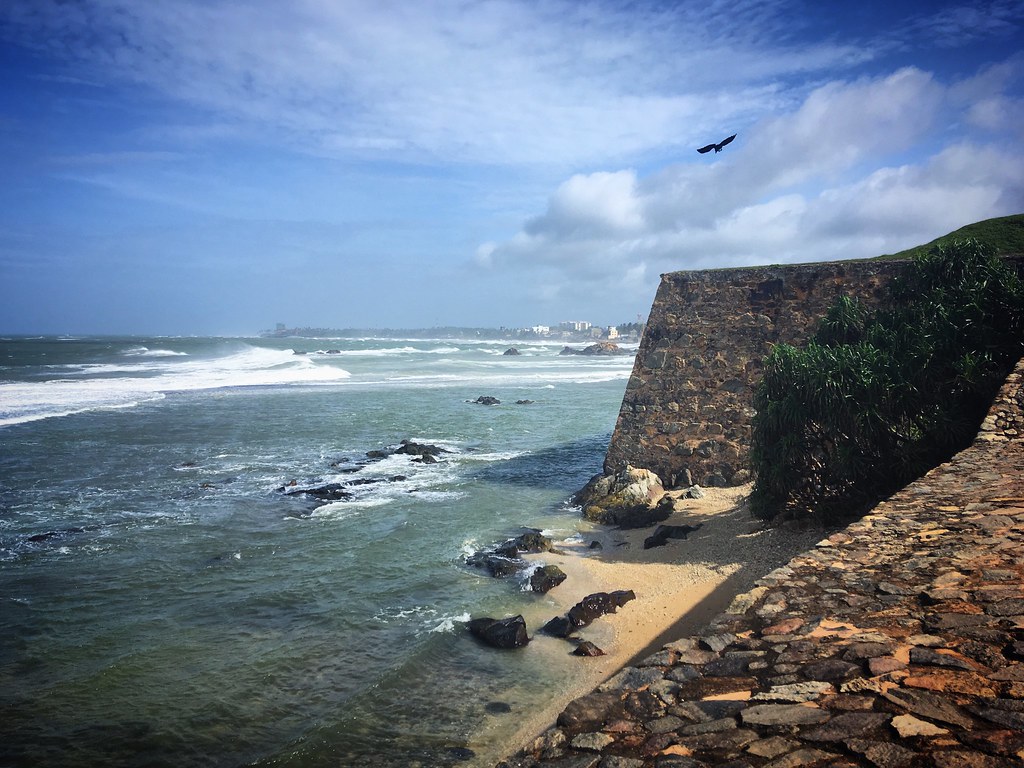
Cover photo: sergei.gussev (Flickr)
The story in brief
The Dutch East India Company (VOC) took the coast from the Portuguese between 1638 and 1658 and held it until the British arrived in 1796. They built to stay: star forts, canals, churches, hospitals and warehouses — the densest colonial fabric on the island, and the best preserved.
Galle Fort: the masterpiece
Asia's best-preserved colonial fortified town — 36 hectares inside Dutch ramparts, lighthouse, Dutch Reformed church (1755, free entry, still holding Sunday services), old hospital turned shops, warehouses turned hotels. Walk the full rampart loop at sunset (one hour, easy). Enter via the Old Gate on Queen Street and read both empires: the VOC coat of arms on the fort-side arch, the British crest on the port side, both dated 1669 — the Main Gate is a later British cut. The old Dutch houses with their columned verandahs are private homes — admire from the street. The fort itself is free to enter at all hours.
Colombo's Dutch quarter
The Dutch Museum (a 17th-century governor's mansion), Wolvendaal Church on its hill (1749, still holding Dutch-Governor tombstones), the old hospital complex (now restaurants), and street names that outlived the empire. Pettah's canal edges still follow Dutch water engineering.
Negombo: fort and canal
The small pentagon fort (mostly jail now — view from outside), St Mary's church, and the Hamilton Canal running south to Colombo — dug by the Dutch for cinnamon transport, still used by fishing boats. Lagoon boat rides pass the old canal architecture.
Jaffna, Batticaloa and the east
Jaffna Fort (1619 Portuguese, rebuilt by the Dutch — massive, photogenic, free), Batticaloa Fort on its island, Kalpitiya's fort. The east's forts saw the heaviest fighting; exteriors impress most, interiors are often military or empty.
Churches trail
Wolvendaal (Colombo, 1749, Dutch governors' tombstones underfoot), Galle's Dutch Reformed church, Matara's Dutch church, and the Negombo-area Catholic churches the Dutch tolerated. Sunday mornings still hold services in some — visitors welcome, dress covered, donations appreciated for upkeep.
Burgher legacy you can taste
Lamprais (rice and curry baked in banana leaf — Dutch Burgher Sunday lunch), love cake, breudher, lamprais packets in Colombo bakeries. The Burgher community keeps the recipes; eat lamprais at least once.
Photo spots
Galle ramparts and lighthouse at sunset, Dutch church gables against tropical sky, Jaffna Fort's coral-stone walls, Hamilton Canal boats at dawn, Wolvendaal's tombstone floors (ask permission), warehouse doors on Pedlar Street.
Places: galle, colombo, negombo, jaffna, batticaloa
Keep exploring
New guides twice a week: beaches, costs, routes and honest local truth.
Comments & tips